News
Strengthening Marine Conservation Through Collaboration: Reflecting on Phase 1 of the Anse La Raie VMCA Project
After two years of ecological monitoring, stakeholder engagement and conservation action, Reef Conservation has reached an important milestone in its efforts to strengthen the Anse La Raie Voluntary Marine Conservation Area (VMCA).
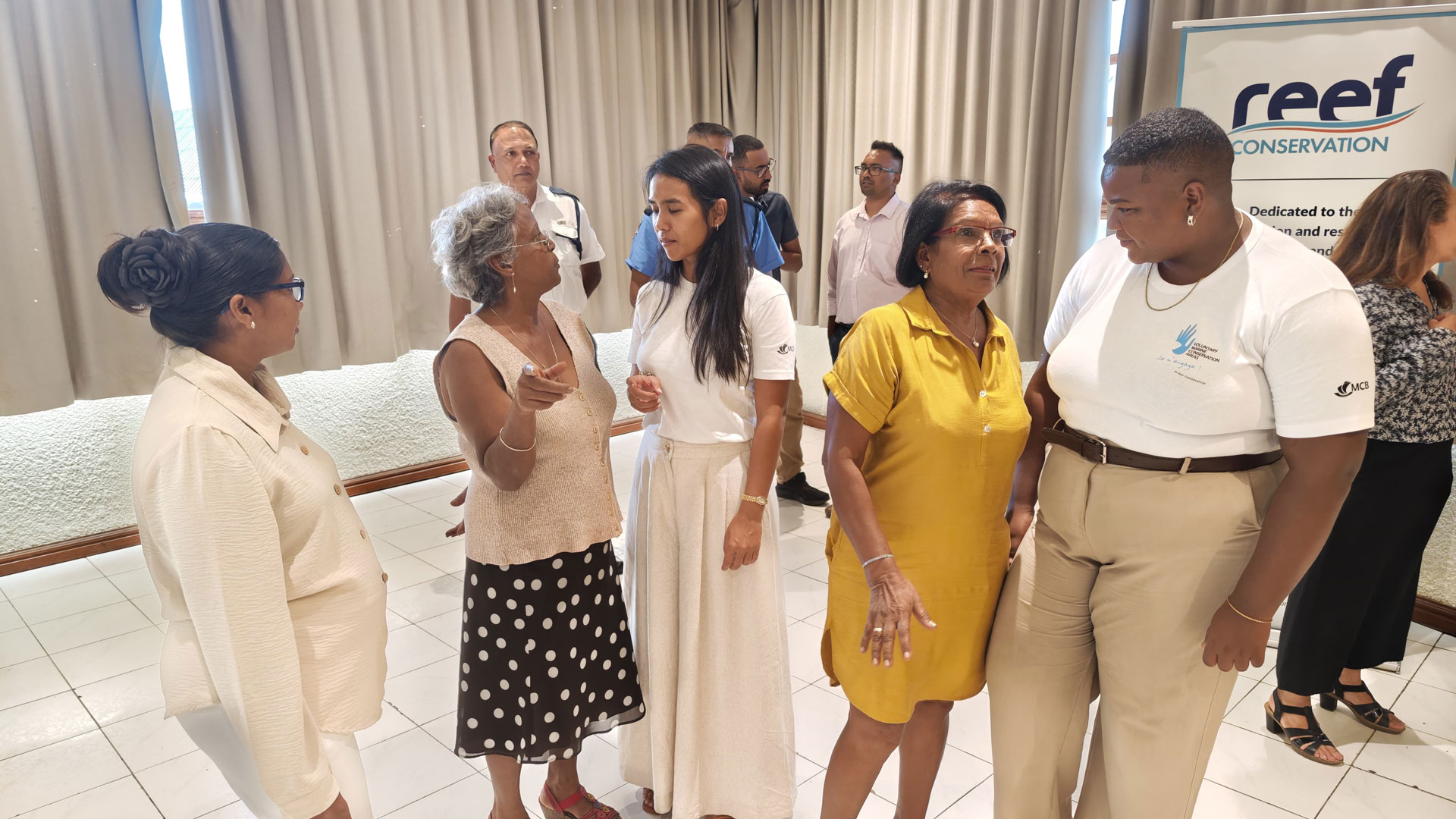
On 17 March 2026, stakeholders from across various groups gathered at Casa Florida Hotel & Spa in Pereybere to mark the completion of Phase 1 of the VMCA Project (2024–2026) and reflect on the progress achieved.
More than a closing event, the workshop provided an opportunity to share scientific findings, exchange perspectives and explore the future of community-driven marine conservation in Mauritius.
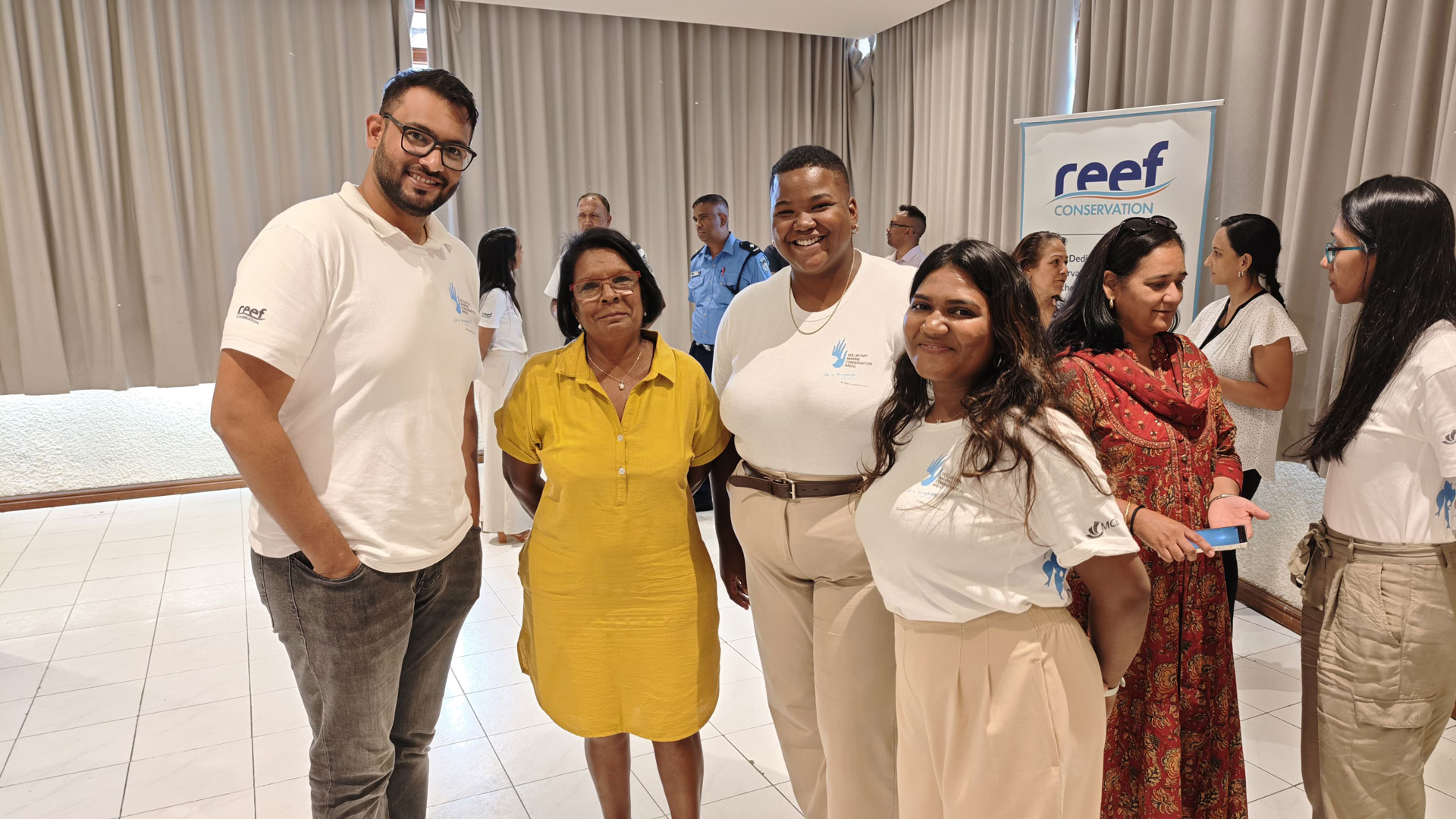
Bringing People Together Around a Shared Vision
Marine conservation is most effective when it brings together the people who interact with and depend on the marine environment. With the support of The Mauritius Commercial Bank (MCB), the workshop reflected this philosophy by gathering a diverse range of stakeholders, including fishermen, local business owners, boat operators, hotel representatives, community members and government institutions.
Many of these participants contributed to a baseline perception survey conducted at the start of the project in 2024. Their involvement throughout the initiative helped shape a conservation approach rooted in local realities and informed by the experiences of those who use the coastal environment every day.
The workshop created a valuable space for dialogue, allowing participants to discuss both the challenges facing the marine ecosystem of Anse La Raie and the opportunities that exist to strengthen its protection through collective action.
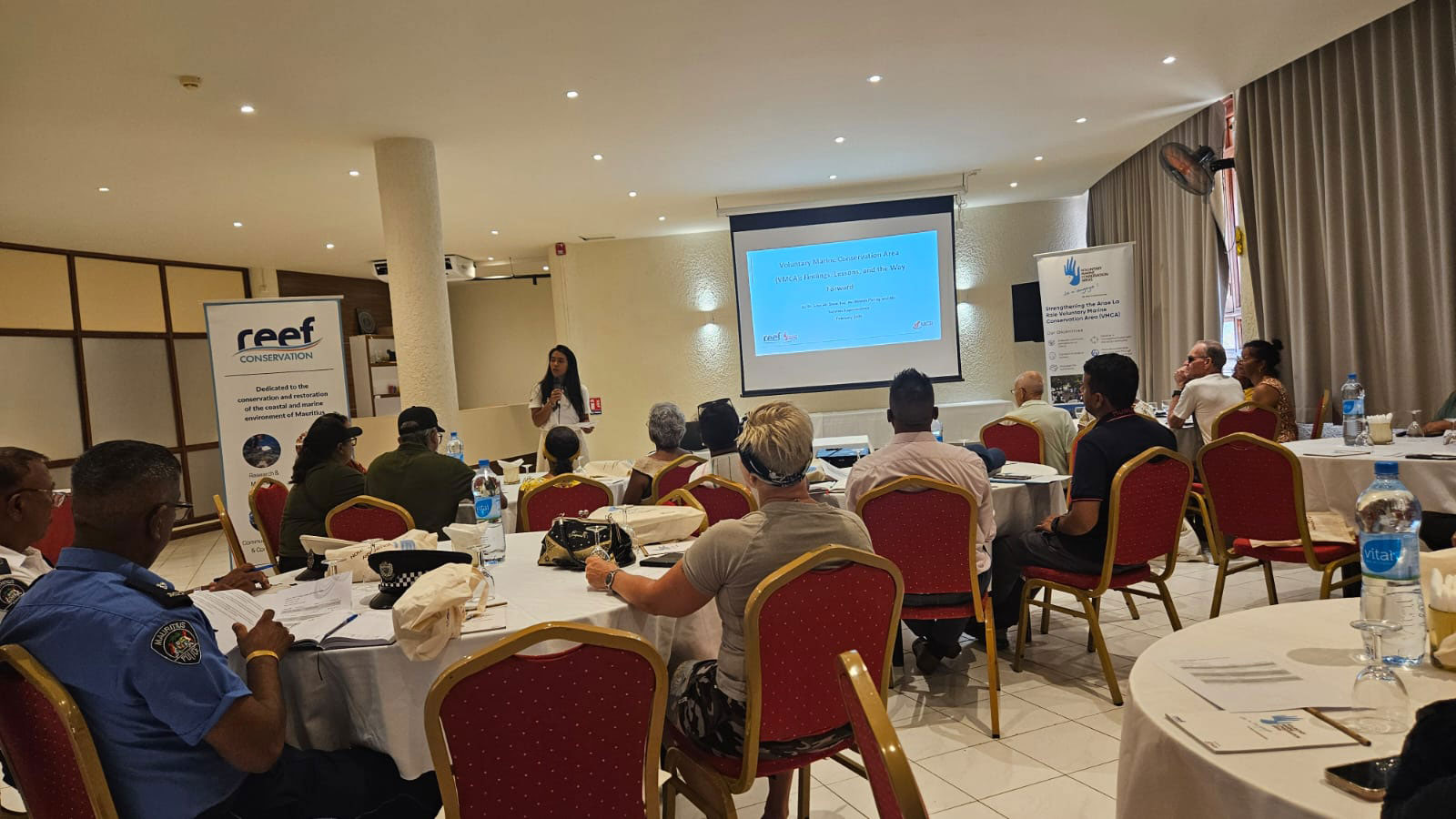
Building Knowledge Through Science
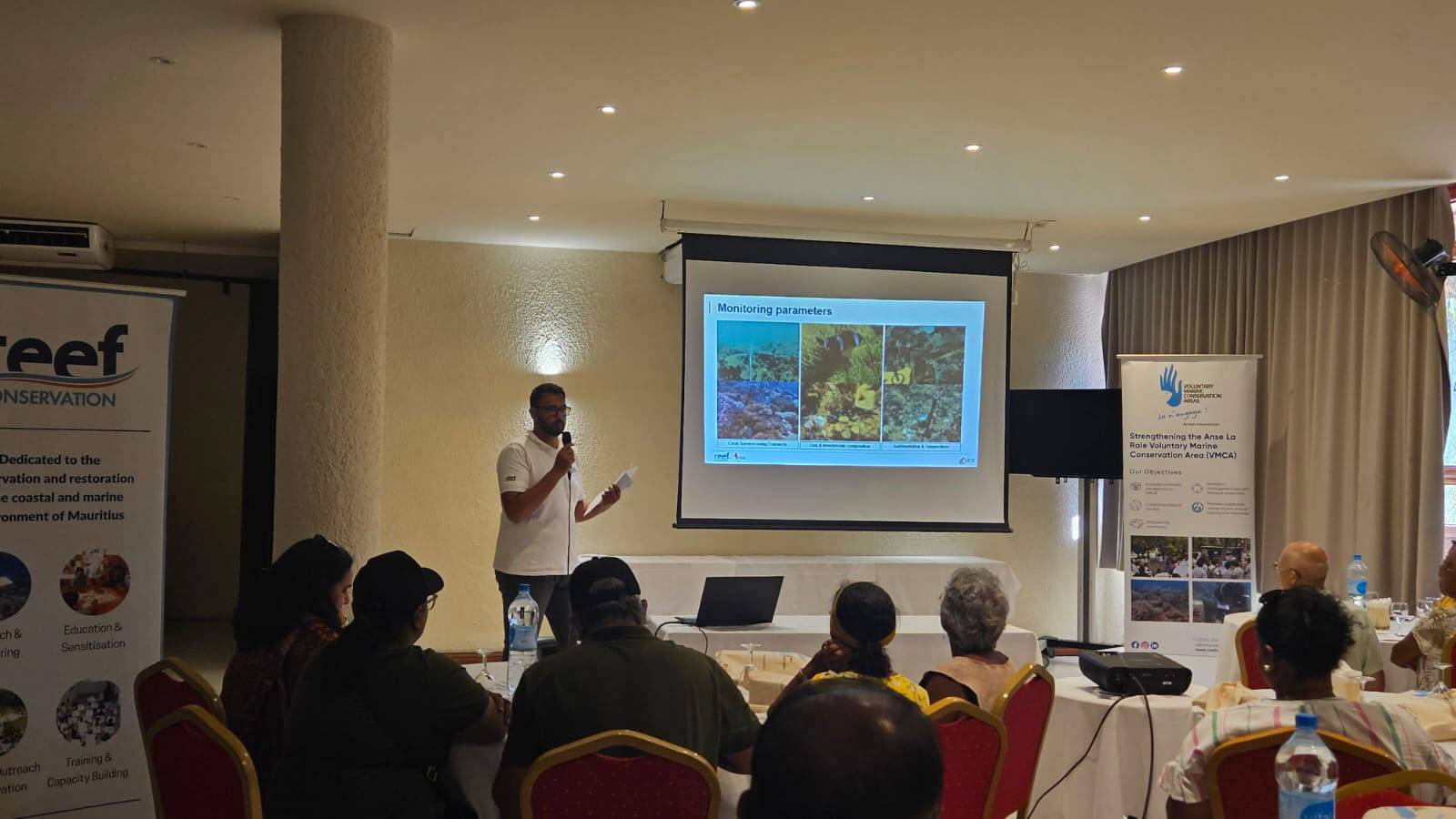
A key component of the VMCA Project has been the implementation of ecological monitoring activities designed to better understand the health of the marine ecosystem.
Over the past two years, Reef Conservation carried out scientific assessments both inside and outside the conservation area. These surveys generated important information on marine biodiversity and ecosystem health, providing evidence that voluntary conservation measures can contribute positively to the protection and recovery of marine life.
For conservation practitioners, reliable scientific data is essential for guiding management decisions and evaluating the effectiveness of conservation actions. The monitoring carried out through the project has helped build a stronger understanding of the ecological value of the VMCA and its potential contribution to long-term marine conservation.
As Dr Lisa Ah Shee Tee, Senior Research Project Manager at Reef Conservation, explained: "The monitoring conducted over the past two years has provided valuable scientific evidence on the ecological value of the VMCA. By comparing marine life within and outside the conservation area, we can better understand how these voluntary conservation measures can support the protection and recovery of marine biodiversity. These results demonstrate that collaborative conservation initiatives such as the VMCA can play a meaningful role in strengthening the resilience of our coastal ecosystems."
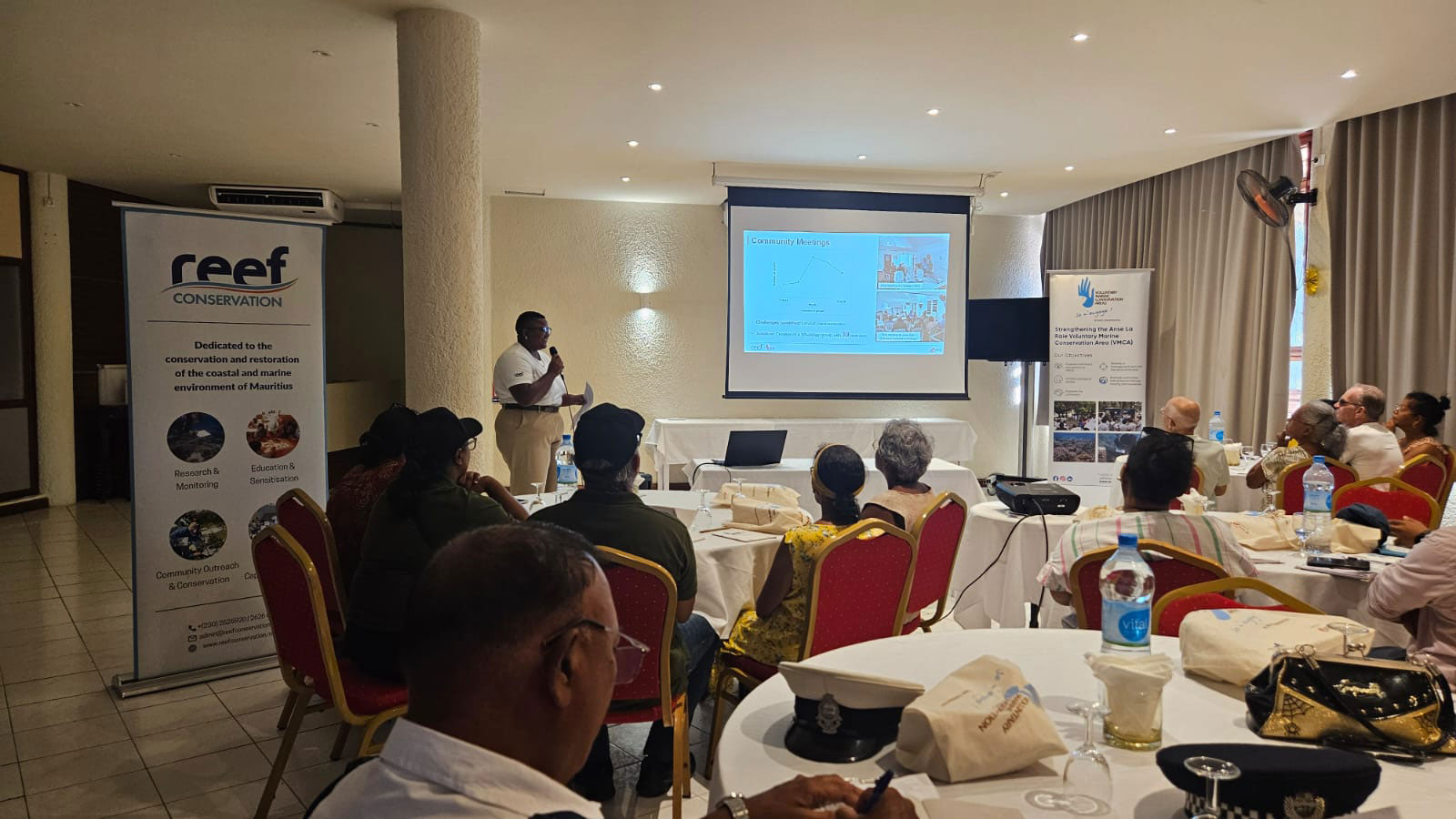
Putting Communities at the Heart of Conservation
While science plays a crucial role in conservation, long-term success depends on the people who live and work alongside these ecosystems.
Throughout the project, Reef Conservation worked closely with local stakeholders through outreach activities, consultations and regular engagement sessions. These efforts are aimed at strengthening local capacity, encouraging participation and fostering a stronger sense of ownership over the conservation area.
The initiative demonstrated that conservation is not solely about protecting nature; it is also about building relationships, strengthening trust and creating opportunities for communities to become active stewards of their environment.
According to Sarafina Laprovidence, Community Coordinator at Reef Conservation: "The VMCA initiative shows that marine conservation works best when communities are actively involved. Over the past two years, we have worked closely with fishermen, businesses and other local stakeholders to strengthen dialogue and build trust. This approach helps create a shared sense of responsibility for protecting the marine environment while ensuring that conservation efforts remain aligned with the needs of coastal communities."
Revitalising a Decade-Old Conservation Initiative
The Anse La Raie VMCA has a longer history that predates the current project. Established in 2014, it was created as a voluntary conservation initiative aimed at protecting marine biodiversity while supporting sustainable livelihoods for coastal communities.
However, like many environmental initiatives worldwide, activities were significantly impacted during the COVID-19 pandemic. Restrictions on movement and public gatherings limited field activities and stakeholder engagement, slowing conservation efforts within the area.
Recognizing the importance of revitalizing the initiative, Reef Conservation relaunched the management of the VMCA in 2024 through a project supported by the MCB Group. This support enabled the organization to resume ecological monitoring, strengthen stakeholder engagement and rebuild momentum around conservation activities in Anse La Raie.
The project has not only reactivated conservation efforts but has also reinforced the foundations needed for long-term management of the conservation area.
Looking Towards the Future
The completion of Phase 1 marks an important step forward, but it is only one chapter in the broader story of marine conservation in Anse La Raie.
The lessons learned over the past two years demonstrate the value of combining scientific research with community participation. Together, these elements have helped strengthen the VMCA as a practical model for voluntary and collaborative marine conservation.
As discussions begin on the next phase of the initiative, Reef Conservation remains committed to working alongside communities, businesses and institutional partners to further strengthen the conservation area and ensure the sustainable management of marine resources.
By continuing to build partnerships and encourage shared responsibility, the Anse La Raie VMCA can serve as an inspiring example of how local action can contribute to healthier marine ecosystems and more resilient coastal communities for generations to come.
© Reef Conservation. All Rights Reserved. Designed by Design Element